
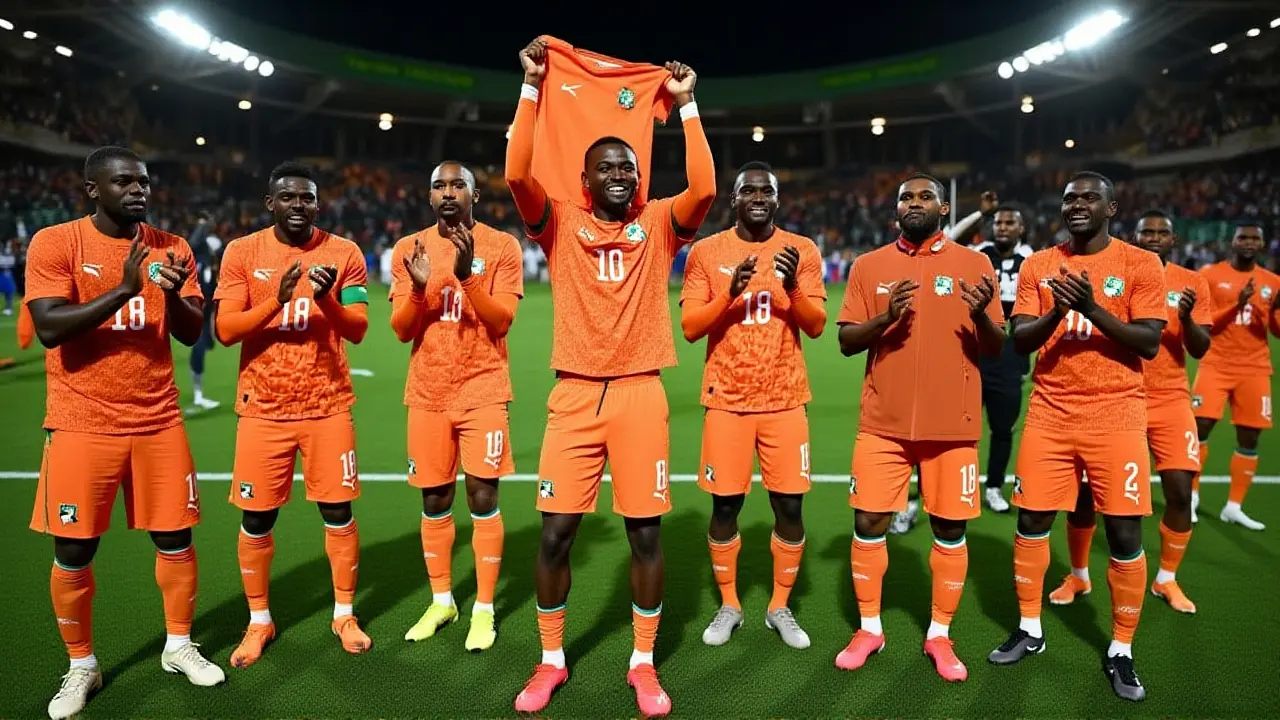
Football is about to get much bigger. For the first time in history, FIFA is expanding its flagship tournament from 32 to 48 teams, turning the 2026 FIFA World CupNorth America into a logistical behemoth that will run for 39 days across three countries. It’s not just more games; it’s a fundamental shift in how the world’s most popular sport is organized, watched, and monetized.
The tournament kicks off on June 11, 2026, with Mexico facing South Africa at the iconic Estadio Azteca in Mexico City. From there, the action spreads across 16 host cities in Canada, Mexico, and the United States, culminating in the final at MetLife Stadium in New Jersey on July 19. Here’s why this edition matters far beyond the pitch.
A Historic Expansion Format
Let’s be clear: this isn’t a tweak. It’s an overhaul. The jump from 32 to 48 teams means the group stage now features 12 groups of four teams each. That alone adds 72 matches before the knockout phase even begins. In total, fans can expect 104 matches—up from 64 in Qatar 2022.
The twist? The new format introduces a "Round of 32," where the top two teams from each of the 12 groups join the eight best third-placed teams. This creates a brutal early knockout round before the traditional Round of 16. Critics argue it dilutes the quality of football, but proponents say it finally gives smaller nations a realistic shot at glory. As Euronews journalist Lucia Blasco noted, this is "one of the most unusual and ambitious tournaments FIFA has ever organised."
Qualifying spots are also redistributed to reflect global growth:
- Europe: 16 teams
- Africa: 9 teams (up from 5)
- Asia: 8 teams (up from 4.5)
- CONCACAF (North/Central America & Caribbean): 6 teams (including hosts)
- South America: 6 teams
- Oceania: 1 team
- Intercontinental playoffs: 2 teams
Three Hosts, One Continent
Never before has a men’s World Cup been split between three nations. While Japan and South Korea co-hosted in 2002, the 2026 bid brings together Canada, Mexico, and the US under one banner. The logistics are staggering. Matches will be played in 16 cities, with the United States hosting 11 venues, Mexico three, and Canada two.
The US is taking the lion’s share of the action. All knockout ties from the quarter-finals onward will be played on American soil. This includes the semi-finals, the third-place match, and the final. Cities like Los Angeles, Miami, Atlanta, Seattle, Houston, Philadelphia, Kansas City, Boston, Dallas, the San Francisco Bay Area, and the New York City metropolitan area are all set to welcome fans. Meanwhile, Toronto and Vancouver in Canada, and Guadalajara, Monterrey, and Mexico City in Mexico, will host earlier-stage fixtures.
For travelers, this means a massive geographic spread. You could watch a group stage game in Vancouver on June 12 and fly to Miami for a Round of 32 match on June 30. The scale is unprecedented, offering both incredible opportunities and significant travel challenges for supporters.
Tradition Meets Spectacle
While the format changes, some traditions remain deeply rooted. Estadio Azteca in Mexico City holds a unique place in history. It previously hosted the finals in 1970 and 1986. Now, it becomes the first stadium ever to host matches in three different men’s World Cups. The opening match against South Africa will likely draw a roaring crowd, setting the tone for a month-long festival.
But here’s where things get interesting. FIFA is reportedly considering a Super Bowl-style halftime show for the final at MetLife Stadium. This move aims to tap into the American sports entertainment model, potentially featuring major musical artists during the break. Whether this enhances the event or distracts from the football remains a hot topic among purists. Still, with an estimated 1.5 billion viewers tuning in for previous finals, the commercial appeal is undeniable.
What’s Next for Fans?
The qualification campaign ran from September 2023 to March 2026, narrowing the field to the final 48. Now, the focus shifts to preparation. National teams are already planning their strategies around the new group dynamics. With only 16 teams advancing past the Round of 32, every point in the group stage carries heavier weight than ever before.
For broadcasters and sponsors, the expanded schedule offers more inventory but also risks viewer fatigue. Can audiences sustain interest over 39 days? Early data suggests yes, especially with the increased participation from emerging football markets. The economic impact is projected to be substantial, boosting tourism and local economies across North America.
Frequently Asked Questions
Why are there 48 teams instead of 32?
FIFA expanded the tournament to increase global representation and revenue. By adding 16 teams, more nations from Africa, Asia, and Oceania qualify, reflecting the sport's worldwide growth. This change also increases the number of matches from 64 to 104, providing more content for broadcasters and fans.
Which cities are hosting the 2026 World Cup?
Sixteen cities across three countries will host matches. In the US: Los Angeles, Miami, Atlanta, Seattle, Houston, Philadelphia, Kansas City, Boston, Dallas, San Francisco Bay Area, and New York/New Jersey. In Mexico: Mexico City, Guadalajara, and Monterrey. In Canada: Toronto and Vancouver.
Where will the final be played?
The final will take place on July 19, 2026, at MetLife Stadium in East Rutherford, New Jersey, near New York City. This venue was chosen for its capacity and infrastructure, capable of hosting large-scale international events and expected to draw a record-breaking audience.
How does the new group stage work?
The 48 teams are divided into 12 groups of four. The top two teams from each group advance automatically to the Round of 32. Additionally, the eight best third-placed teams also progress. This creates a larger knockout bracket starting with 32 teams, rather than the previous 16.
Is Estadio Azteca really hosting its third World Cup?
Yes. Estadio Azteca hosted the 1970 and 1986 World Cup finals. With the 2026 tournament, it becomes the first stadium to host matches in three separate men’s World Cups. It will host the opening match between Mexico and South Africa on June 11, 2026.
